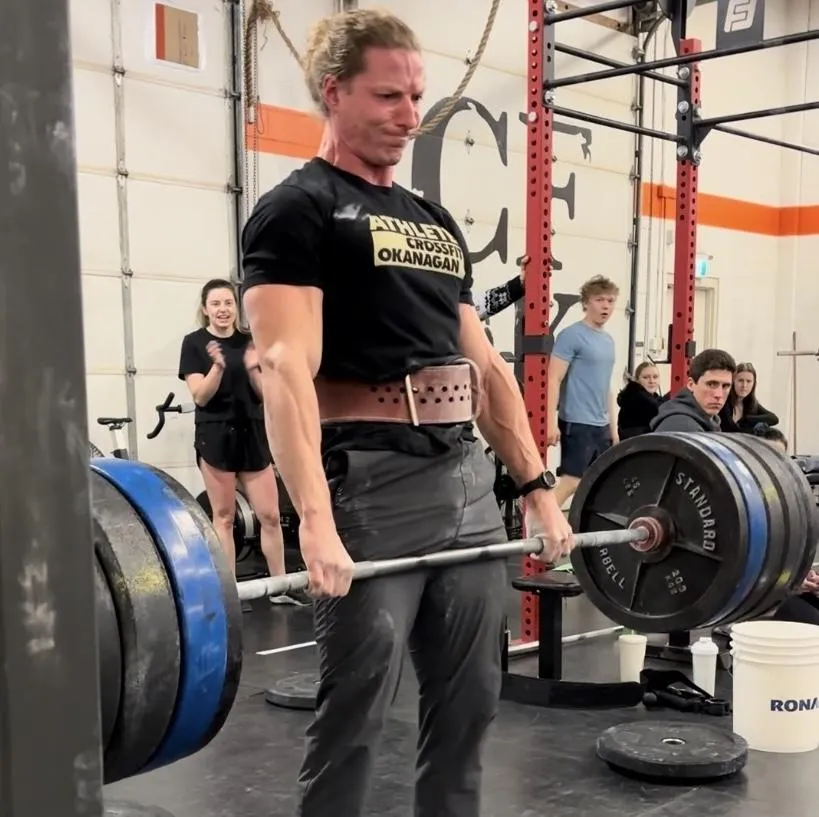
Deadlifts and Lower Back Pain Part 1: Deadlifting is Dangerous
The belief that deadlifts are bad for your back or cause lots of injuries is very common in the general public. Many people are worried about the risk, especially if they have had lower back pain at some point, from deadlifting or otherwise. Many ‘fitness influencers’ and even doctors and physiotherapists perpetuate the idea that deadlifting is dangerous or damages your spine.
This idea is based on a few different, but all relatively weak forms of evidence. The most commonly cited in my experience, is also the weakest - individual case reports. Lots of people know someone that has hurt their back deadlifting. First of all, the reliability of case reports is next to naught. Lots of people know someone that saw a UFO, or bigfoot. How much confidence do you put in those reports? I am not saying that they did not have pain after deadlifting, but what I am saying is that is probably not the whole story.
In my experience with patients it is pretty well universal that there are multiple contributing factors to the onset of pain or injury. Not to mention relatively few people that were injured in the gym compared to at work or at home. Acute trauma like a fall or a car accident is obviously a simpler cause-effect relationship, but major trauma is not the cause of most pain or injury. Usually there is at least one very obvious contributor that is more to blame, than the particular movement or activity itself. Things like a sudden increase in exercise volume or intensity, often after time off.
To continue commenting on case reports, ask yourself: do they provide any useful information about relative risk? No, none at all. Every sport and activity has risk, so we need to compare between various exercises, sports and activities for the risk to be meaningful. If you are waiting for an exercise that has 0 risk, you will never exercise.
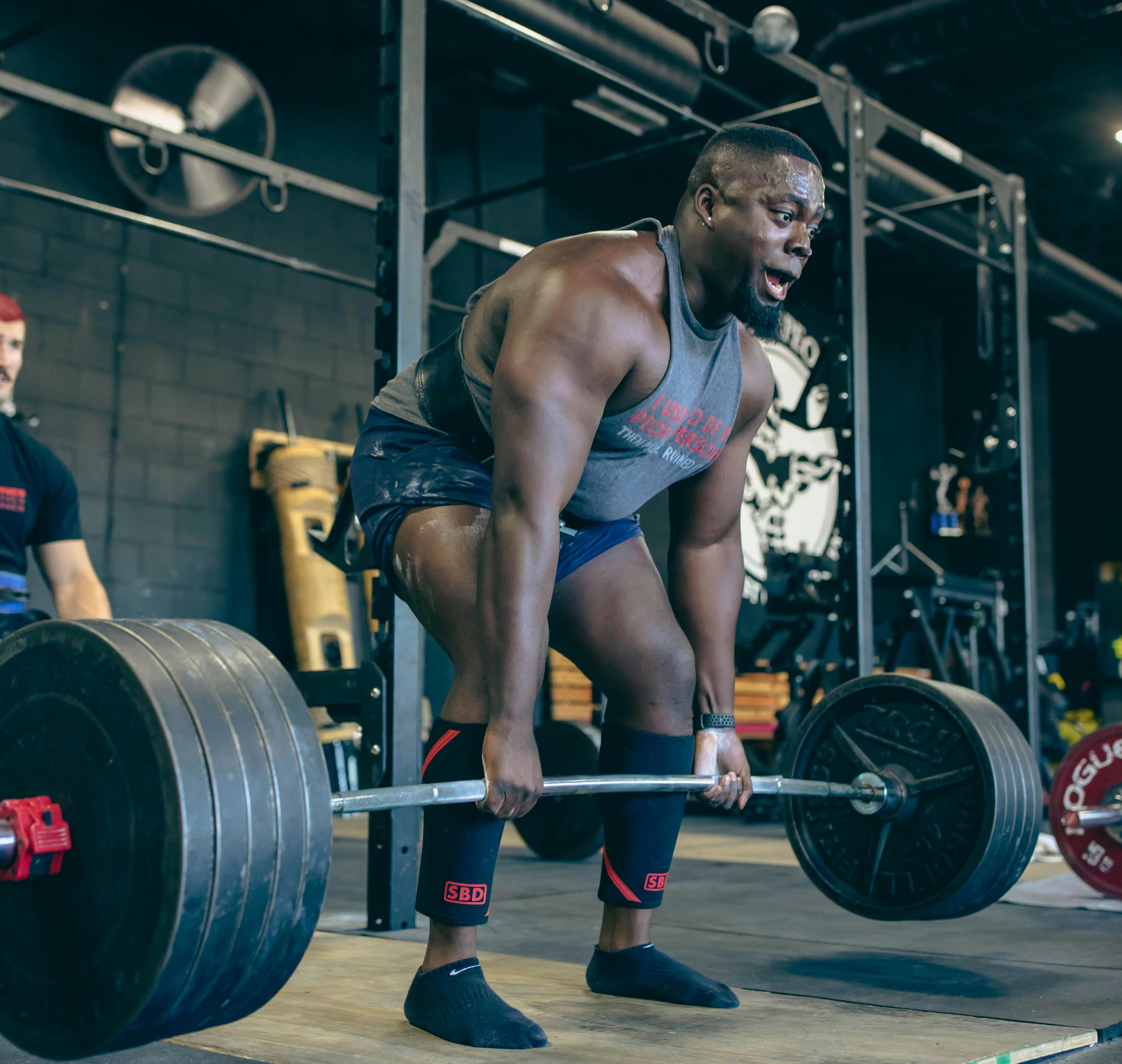
The second line of evidence comes from biomechanics research. There is a lot of data about how different amounts and types of load affect the spine. The problem with some of that research is that it is done on spine models, or cadaver spines. This is by necessity of course, you can’t subject a living person to repeated spinal movements to see when they get injured.
This type of research does not account for movement variability, muscular stabilization, and most of all - healing and adaptation. Real people can recover and adapt to stress, a pig spine in a lab cannot. Let me be clear, I am not saying that that type of research is irrelevant. That research is the groundwork upon which we build a complete theory of spinal biomechanics. It is akin to the cell culture studies in pharmaceutical research. It is a necessary step in the research process. It just does not give you enough information on its own to make confident predictions about effectiveness of a drug in humans in the pharmaceutical example, or injury risk in in a living person in the biomechanics example.
Movement variability refers to the small changes that happen from repetition to repetition in real living creatures. Even elite powerlifters performing multiple repetitions of the same exercise, or an elite runner taking multiple strides will have some variation in muscle activity, joint positions and forces on the body from one rep to the next. Thus the load on the body tissues will be slightly different, even between two reps that look identical to an observer.
This is a good thing for the reason you may have spotted. Variation in load is good because it gives tissues a break from the repetitive strain. Think of it like this, if you rub a specific spot on your hand firmly 100 or 1000 times consecutively, you will undoubtedly get sore, red, maybe even lose some skin. But if you change the pressure, direction or definitely the location of your rubbing slightly every repetition, you may not have any irritation at all.
What does the good quality evidence say about this topic?
What do you see when you look at real people that deadlift heavy and deadlift often? When you look at injury rates of various sports, the ones with not only the most deadlifting, but ones that are partly defined by deadlifting have the lowest injury rates. Powerlifting, and olympic weight lifting consistently show the lowest injury rates of any sport aside from bodybuilding (if you consider that a sport). They are consistently at about 2-4 injuries per 1000 hours of participation (1,2). Compare that with something like recreational running at 7.7 injuries per 1000 hours (3), women’s soccer at 8.4 or American football as high as 39.9 injuries per 1000 hours (4).
Now you could say that this comparison is not fair because sport is different from exercise, or you might even not care about the comparison to other sports. You might only care about the relative risk of different exercises in the gym. So let’s tackle that next. But first just note that the super low injury rates listed above for powerlifting and weightlifting are for competitive athletes in those sports. These are people that are in the gym grinding 4-6 days per week, and the injury risk is still that low.
In CrossFit, a fitness/sport that includes a lot of deadlifting (sometimes high rep sets close to failure) the most common area of the body injured is the shoulder. That should tell you something about relative risk of deadlifting. But let’s say you are not interested in CrossFit, or that the gymnastics makes it especially risky for the shoulders. I will grant you that for the sake of discussion. Let’s keep digging.
In a 2016 systematic review, Keogh and Winwood looked at the injury rates for weightlifting, powerlifting, bodybuilding, CrossFit and strongman. Here is what they found (1):
For weightlifting only 1 out of 8 studies showed the lower back as the predominant site of injury, several of which had multiple (usually shoulder and knee) as more commonly injured areas.
For powerlifting only 2 out of 10 showed the lower back to be the body area injured the most. And again here the shoulder almost always came out on top.
For Strongman the one study reviewed showed the lower back to be the most injured area, and for highland games it again came back to the shoulder.
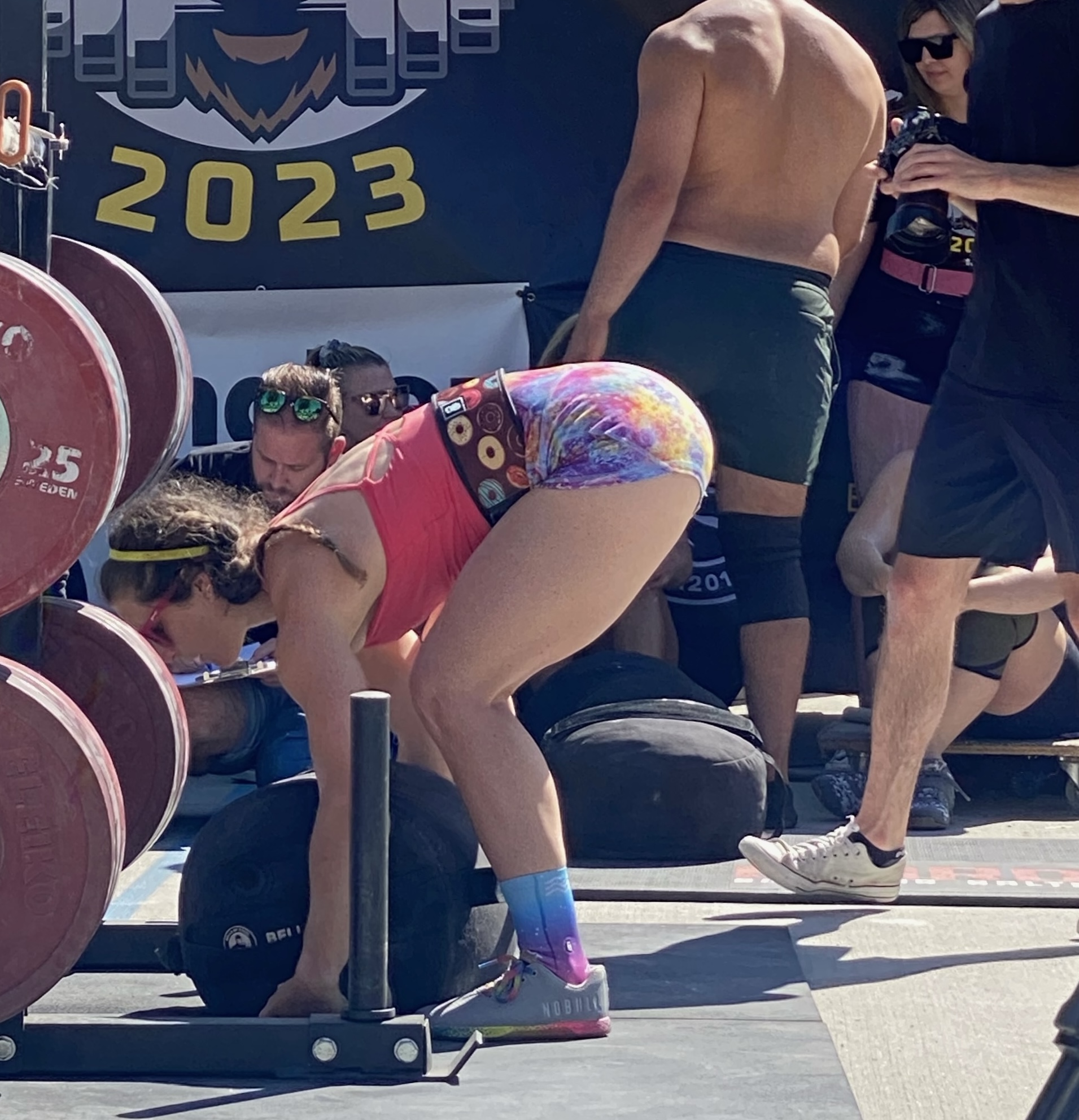
So just don't do strongman maybe? Just kidding.
Based on the evidence available currently, you should be much more worried about shoulder injury than lower back injury at the gym. But the real takeaway is you should not be very concerned with getting injured during exercise compared to other activities. Especially when you are following a good program with a proper progression. Your risk is further minimized by getting enough good quality sleep and getting enough protein and calories from a healthy diet. Remember, the injury rates are super low for the people that are doing the most deadlifting. So given that, and the fact that you can choose how hard to train, how often to train, what weight to use, how many reps to do and when to take a break, it really is a no brainer.
If you are not convinced yet, check this out
A recent study by Kemler et al. in the Netherlands surveyed a group of active adults that had been injured during gym-based fitness activity in the previous year. The survey asked about what types of fitness activities each group participated in, how much, how often, etc. They also got more detailed answers about what specifically caused their injuries. Here is a quote from the study:
“The top five activities or exercises in which injuries occurred were: (1) running (on a treadmill or during outdoor fitness activities) (n = 52, 23%); (2) bench press (n = 27, 12%); (3) squats (n = 22, 9.6%); (4) push-ups (n = 14, 6.1%); and (5) cross-trainer (n = 10, 4.4%).” (5)
Do you see deadlifts on that list? I don’t.
So let’s sum things up.
Sports that involve the most deadlifting have the lowest injury rates
Shoulder injuries are more common than lower back injuries in those same sports
Deadlifting is not amongst the most common causes of injury from exercise in non-athletes
The deadlift is a very effective exercise for developing back and hip strength, improving lifting ability (functional), and thus preventing injury during lifting tasks
Your risk of lower back injury will be higher if you don't deadlift.
Because you will not be as strong, as confident, or just generally prepared to lift things compared to if you do deadlift.
Post your thoughts in the comments!
References
Keogh JW, Winwood PW. The Epidemiology of Injuries Across the Weight-Training Sports. Sports Med. 2017 Mar;47(3):479-501. doi: 10.1007/s40279-016-0575-0. PMID: 27328853.
Tung MJ, Lantz GA, Lopes AD, Berglund L. Injuries in weightlifting and powerlifting: an updated systematic review. BMJ Open Sport Exerc Med. 2024 Dec 4;10(4):e001884. doi: 10.1136/bmjsem-2023-001884. PMID: 39650568; PMCID: PMC11624822.
Videbæk S, Bueno AM, Nielsen RO, Rasmussen S. Incidence of Running-Related Injuries Per 1000 h of running in Different Types of Runners: A Systematic Review and Meta-Analysis. Sports Med. 2015 Jul;45(7):1017-26. doi: 10.1007/s40279-015-0333-8. PMID: 25951917; PMCID: PMC4473093.
Kerr ZY, Marshall SW, Dompier TP, Corlette J, Klossner DA, Gilchrist J. College Sports-Related Injuries - United States, 2009-10 Through 2013-14 Academic Years. MMWR Morb Mortal Wkly Rep. 2015 Dec 11;64(48):1330-6. doi: 10.15585/mmwr.mm6448a2. PMID: 26655724.
Kemler E, Noteboom L, van Beijsterveldt AM. Characteristics of Fitness-Related Injuries in The Netherlands: A Descriptive Epidemiological Study. Sports (Basel). 2022 Nov 22;10(12):187. doi: 10.3390/sports10120187. PMID: 36548484; PMCID: PMC9786681.