Deadlifts and Lower Back Pain Part 3: Deadlifting Isn't Functional!
In part one we talked about the injury risk associated with deadlifting. In part two we discussed the mechanics of deadlifts and similar movements. In this final part of the series, we will talk about the reasons to include deadlifts in your program and basic programming suggestions.
To be clear I think that for some people, adding deadlifts to their program is actually a bad idea. Many high level athletes would probably be better off spending their time on other things, especially if they are already very strong. In the general population, however, I think some variation of the deadlift will have a great benefit for most people.
Before we really dive in, let’s just mention all the variations we could use, up front, so there is no confusion.
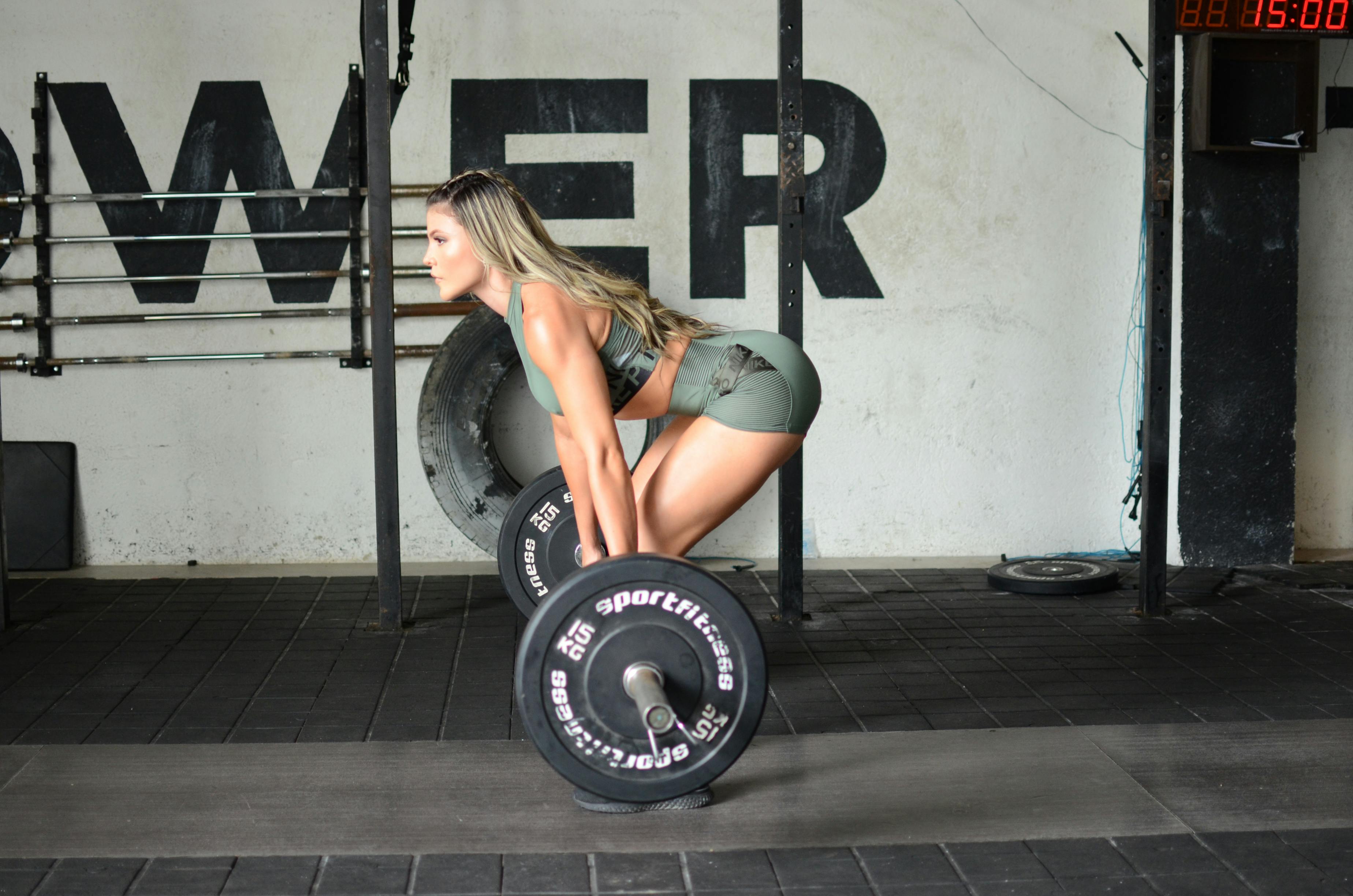
Conventional deadlift
Rack/Block pull
Sumo Deadlift
Trap bar deadlift
Snatch grip deadlift/pull
Clean deadlift/pull
Romanian deadlift (RDL)
Stiff leg deadlift (some use this interchangeably with RDL)
Single leg deadlift/RDL
Offset/suitcase deadlift
Zercher Deadlift
Jefferson Curl
There are many different weight implements you could use too, but they will all fit into one of the techniques listed.
So what are the reasons to include a deadlift at all? Let’s keep this very simple:
To get better at deadlifting (powerlifting, strongman, crossfit)
To increase lifting strength in general (olympic weightlifting, strength sport performance more generally, occupational performance, injury prevention)
To increase hip and back strength in general (sports performance generally, wellness, rehabilitation/injury prevention)
Note: Increased strength will also improve power, all else being equal. So power can be added to each point on the preceding list.
If none of these goals apply to you (or your client), you should probably choose a different exercise.
The first item on the list is a no-brainer. If you want to be good at those sports, you simply must do some form of deadlifting.
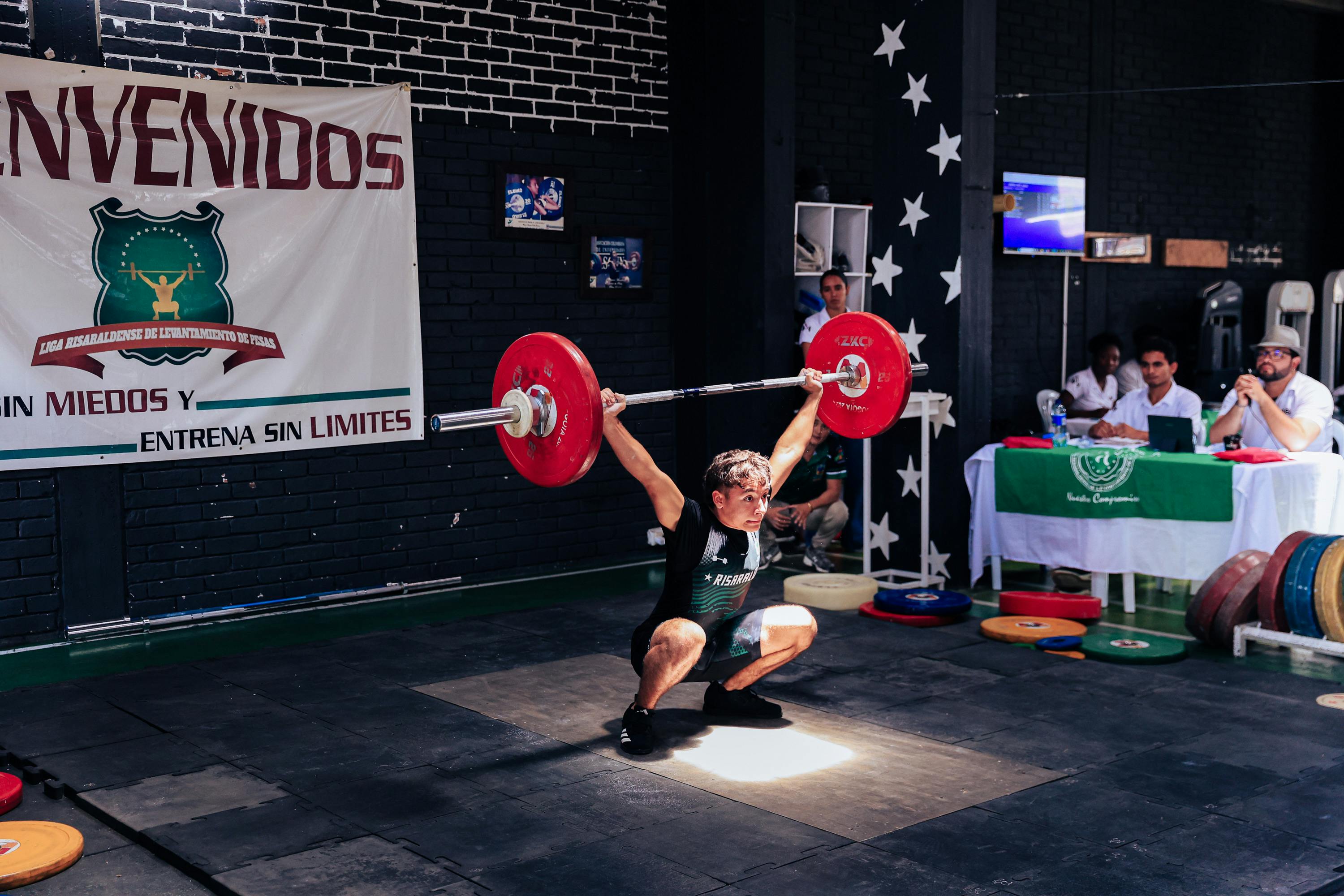
The second item starts to open up the conversation a little bit. An Olympic weightlifter does not need to do the deadlift per se, but they will definitely be doing some heavy ‘pulls’ at some point in their training. Having a stronger deadlift/pull will allow the lifter to pull the bar higher, and therefore clean and snatch more, all else being equal.
Likewise, anyone that is lifting things at work would be better off having a reserve capacity for lifting. The ‘capacity’ could be in terms of strength, endurance, mobility, skill or any combination thereof. If the things you lift at work are much lighter than the things you lift in the gym, your job will be easier, and make you less tired.
Whether you are lifting for sport, at work, at the gym or just during daily activities, you will be less likely to get injured if you have a reserve of strength, endurance, lifting skill and mobility. Building that reserve also makes your body structurally more robust in exactly the ways it needs to prevent injury. Thus, some variation of a deadlift will help most people prevent injuries.
The third point now opens the door fully for other exercise options. If we do not need to increase deadlifting strength specifically, or even lifting (from the floor) strength more generally as an end in itself, then we can choose any exercises that strengthen the back and hips as a means to another end. The simplest substitution would be a squat variation, and for many athletes, this is exactly what they do.
For example, when I was working with the Camosun Chargers basketball teams, I gave the players the option of doing a trap bar deadlift, a back squat or a front squat as their main lower body strength exercise. Some just could not squat even close to parallel, so we opted for a trap bar deadlift. Others were great at squatting and felt a lot of discomfort in their lower back with deadlifts. If you put your bias aside and focus on the individual and the relevant principles these decisions are often very straightforward.
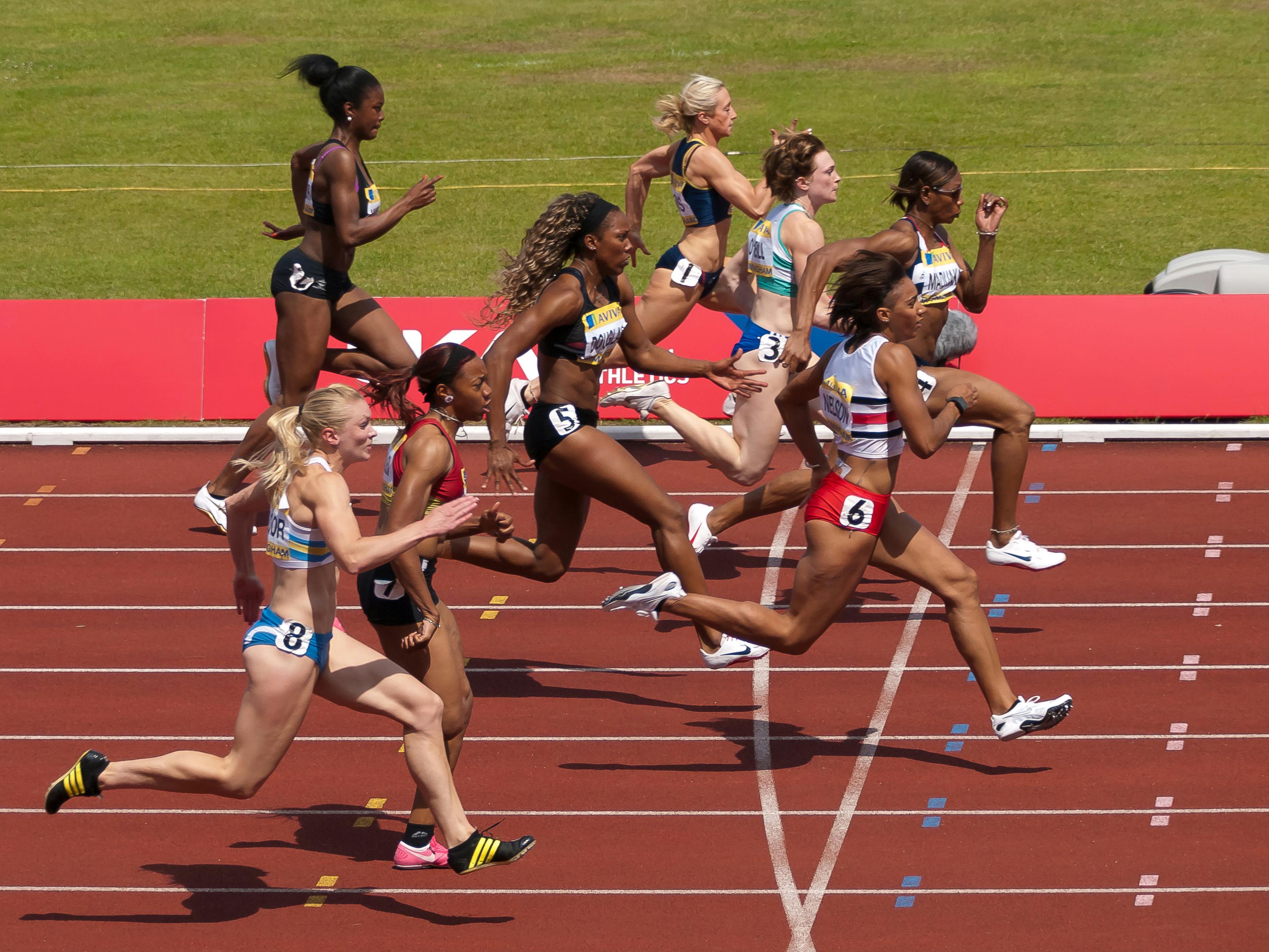
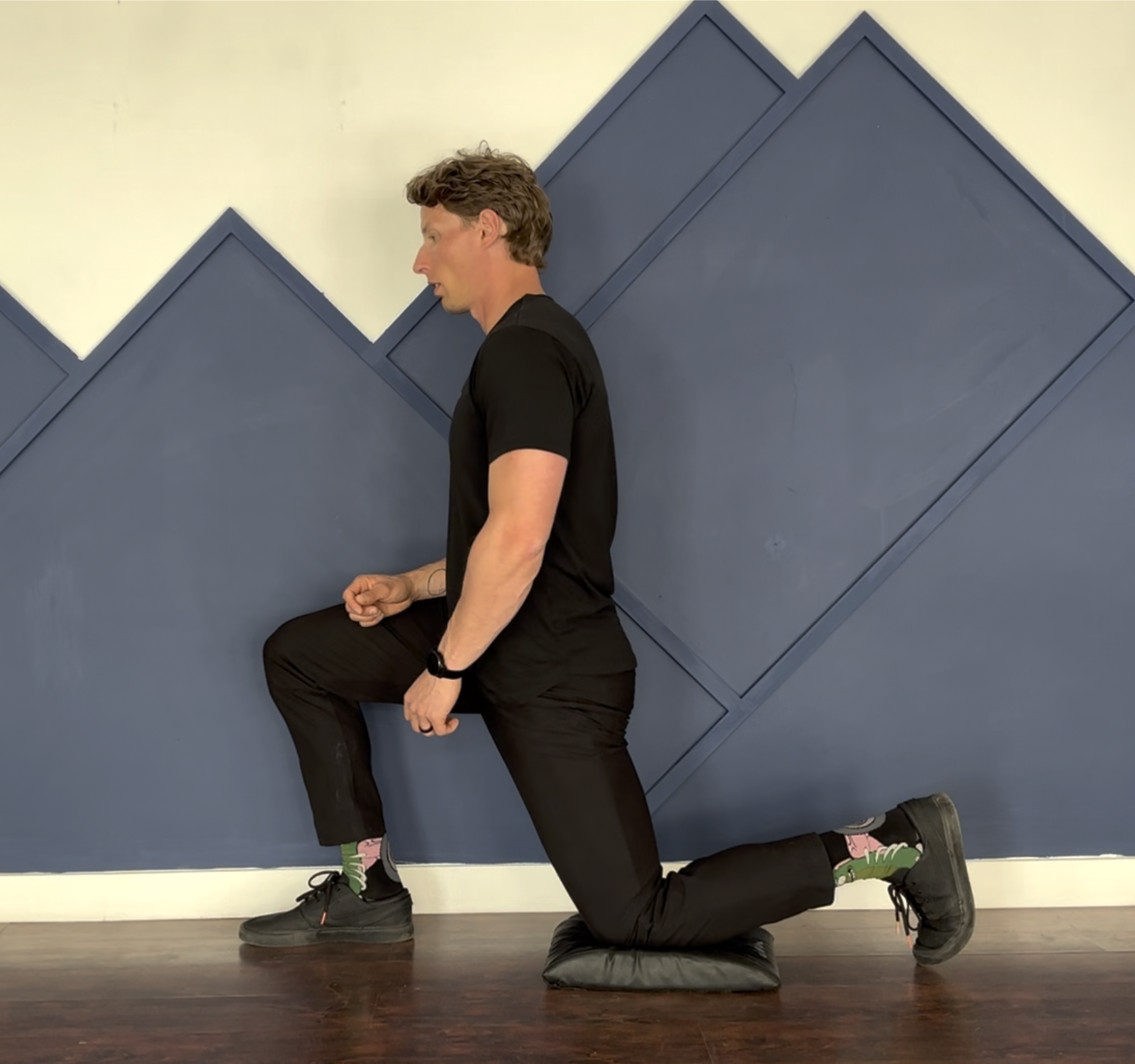
Most track and field athletes, for example, probably do more squats than deadlifts, but some very successful coaches have used various deadlift variations to increase running performance (think Charlie Francis or Ryan Flaherty). Other athletes might also opt for squats to train force production in a more vertical torso position, which more closely resembles their sport movements. Some might choose a split squat to train the legs heavily while reducing absolute magnitude of spinal load (though this likely increases the volume•load on the spine).
An edge case for not doing deadlifts, and this is very rare, is if the athlete is so strong at deadlifting already that improving is not only unnecessary, but would incur such a cost to recover that it would actually cause a negative impact on performance.
The approach for using deadlifts, or other lifts in a rehabilitation setting is almost the opposite in some ways. We obviously don’t want to make things worse or cause another injury, but we do want to strengthen the patient or client where/how they need it most - which often happens to be the movement that hurts or the body part that is injured.
To be clear, I am not saying you should seek out pain or disregard it. Quite the opposite. This should be a gradual process of improving strength in the structures or the movements that need it while minimizing pain and injury risk. This process, when done right, will build up not only structural integrity and functional performance, but also confidence. If you have ever been severely injured, you know how badly it can shake your confidence.
Now that we have discussed the reasons for and against including deadlifts in a training program, we can move on to programming deadlifts for these ends.
Rehabilitation
This is probably going to be the most variable of all the sections. We want to get all the benefits - stronger tissues, increased function and confidence, pain relief - but we need to respect the healing process.
Start easy and start early.
Starting easy will allow you to start earlier. Starting earlier will get you the benefits sooner. Focus on gradual progression and monitor the results. Be more cautious with progressions than you would be with performance training.
Use a variation that is specific to the patient’s functional goals, and facilitate the performance early on to get some quick wins. Use accessory exercises to facilitate pain free movement and further decrease apprehension. The confidence gained from success (i.e. lifting without pain) is probably more important than you think.
Use isolation/accessory exercises to get more volume and intensity (maintain fitness) and train injured tissues directly after a specific sprain/strain. For example; higher effort hamstring curls after a back injury while deadlifts are low intensity by necessity.
Here is an example timeline to make this a bit more concrete. I have had lots of success with this general strategy with my patients. Let’s say the patient had a lower back injury from lifting very recently.
As soon as possible:
Hip hinging - find a lifting technique that is pain free, or at least tolerable. Do lots of repetition without load. Have the athlete do this for homework - a few sets of 5-10 a few times daily. I would also be giving them some self treatments right away, but that is beyond the scope of this article.
Within a few days, or the next session:
Romanian deadlift with light dumbbells or an empty barbell. Do 2 sets 5-10 reps at a very low RPE. Keep doing unloaded work at home for 1-2 more sessions.
Increase the weight each session. How much depends on how strong they are, how intense their symptoms are, how quickly they are improving etc. Try to build gradually, and start to incorporate other techniques one at a time.
Once things are feeling pretty good, and the timeline suggests things have healed sufficiently, you might start to challenge the specific positions that were painful. For example, a Jefferson curl for training maximal lumbar flexion. As mentioned in the previous post, I think the Jefferson curl is probably almost always unnecessary, but if there is a good reason to do it - do it carefully.
General Sport Performance
This is really about improving force production as a means to another end. For example to run faster or jump higher. Any sport where your lower body is involved could theoretically benefit. The trap people often fall into is thinking that lifting heavy, and therefore lifting slowly, is unhelpful for sport.
Some people even think that lifting heavy makes you slow. This is precisely the opposite of the truth. All else being equal, producing more force will make you more powerful which means you can accelerate your body more quickly, and produce a higher top speed. A reliably strong predictor for vertical jump height or running speed is peak force relative to body weight. A poor man’s version is strength to BW ratio.
Heavy lifting is especially important for athletes that are not very strong, or have not done any strength training. How strong is strong enough? This is a very tough question to answer, and there isn’t one answer that will apply to every athlete in every sport. A rough target of a double bodyweight squat or deadlift variation is probably a decent ballpark.
For basketball players or just very large athletes, this might be a bit ambitious. For football players, they might have already accomplished this in high school. Improving strength will continue to benefit an athlete as long as it is not taking resources away from quality skills practice, strategy, recovery etc. You will have to work closely with an athlete for a while to be able to decide when to shift the emphasis away from strength development.
Another mistake I have seen is coaches getting their basketball or volleyball players to do a bunch of box jumps or other half ass jump training, often to the exclusion of lifting. These athletes are already getting hundreds or thousands of jumps in the course of a week. The limiting factor for athletes that do lots of jumping or running is more likely the maximum amount of force they can produce (aka strength), not their rate of force development. They don’t need to practice jumping more, they need to get stronger.
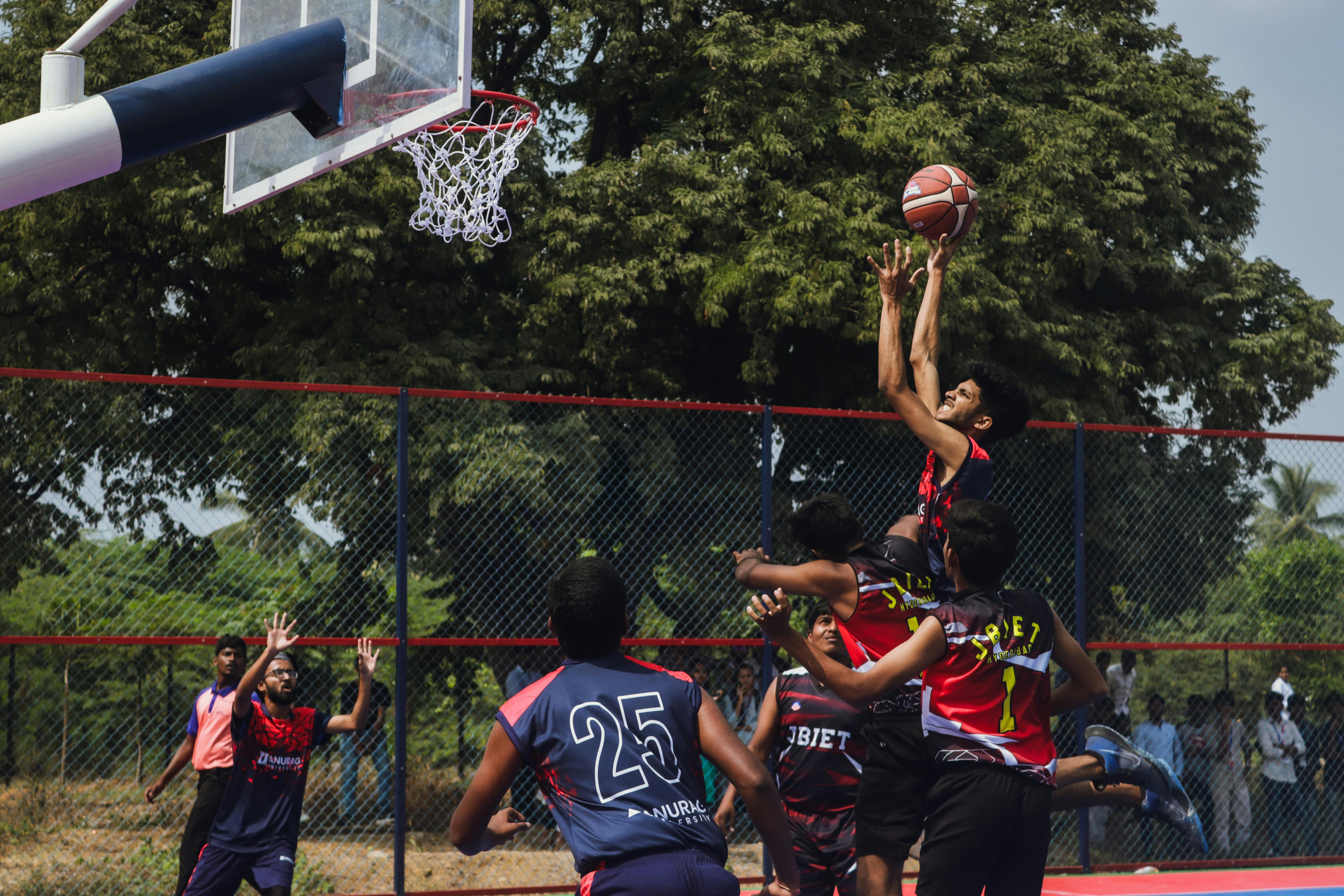
Don’t get me wrong, there is still a place for dedicated jump training for these athletes (though maybe not box jumps), or speed training for runners and other athletes. The balance of all the different training modalities is the key. Give each athlete what is mostly likely to help them improve, not what looks cool, not your favourite exercises, and not whatever worked for someone else.
So what should we do to increase maximal force production?
Get stronger.
We can keep this very simple:
Do 2-5 sets of 2-5 reps at 75-90% 1RM. Try to keep most lifts in the 6-8 RPE range for efficiency. Dropping the RPE lower can still work, but the intention to move the bar as fast as possible must be present. Getting strong ain’t easy.
Sets of 6 are still going to build strength, and singles are useful too, though mostly for testing in this context. This range is just a starting point that puts you right in the sweet spot to build strength long term. Higher reps can work, but will be less specific to building maximal strength.
Once per week will probably be about right for most athletes, but especially in the offseason you might do a second session. Using daily undulating periodization (DUP) can be helpful with multiple strength sessions per week. Depending on the sport, and time of year, additional sessions might be better used for hypertrophy training than purely strength.
Having one session as specified above, then a second session with lighter weight and either higher reps for hypertrophy or focusing on maximal bar speed for strength/power (DUP). So the second session might look like 4 sets of 8 at 65-75% 1RM, or 5 sets of 3 at 50-75% 1RM, respectively.
Progress roughly every week or two, ideally by adding weight. Beginners will be able to progress every session, advanced athletes much slower. Other ways to progress are by allowing the RPE to go higher, adding a rep or two per set, or potentially adding a set if you started at only 2-3 sets. A proper progression will involve manipulating all the variables depending on the individual athlete's response, but the overall trend has to be towards more weight on the bar and therefore increasing strength [a higher (estimated) 1RM].
Strength Sports Performance
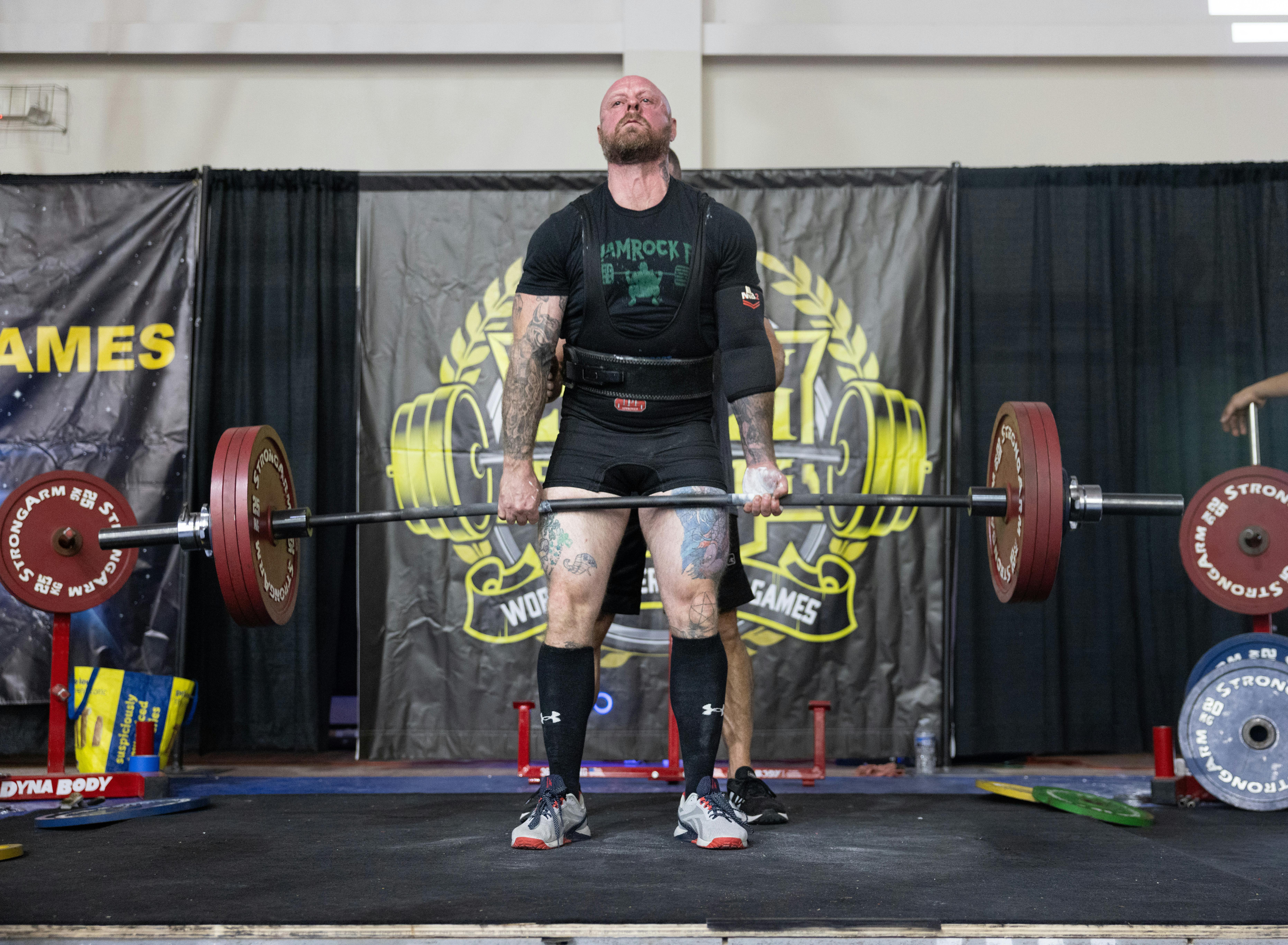
Given that we just described how to get stronger, this section will be brief. All of the previous strategies apply here. However, when lifting more weight is the end goal and there aren’t (as many) other skills to worry about then we can practice the lifts more often, and do more volume.
2-5 sets of 2-5 reps at 75% 1RM is still a good starting point. You can do that for your primary deadlift once or twice per week. Alternatively, during the second session, you could do a different deadlift variation to target a different part of the lift, or different muscles.
Regardless, each session could also have a deadlift variation or supporting accessory exercises to build muscle mass or strength in specific positions. Thus it is still a mix of heavy sessions, lighter technique/power development sessions and hypertrophy sessions as described above. The big difference is you can do more volume because you don’t have to worry about saving energy for sport practice.
Twice per week for deadlifts will probably be about as much as most people can handle, but a third session is possible for short blocks if the intensity and volume are managed perfectly.
Example:
Day 1
Competition deadlift 1x2 @ RPE 8-9, 3x2 @ 90% of top set
Hamstring Curl 4x10-15 @ RPE 8-9
Day 2
Deficit deadlift 4x6 RPE 6-7
(Weighted) Pull ups 4x5-10 @ RPE 7-8
Injury Prevention
If you follow the rough guidelines in the other sections, you are already off to a good start. Getting stronger is an injury prevention strategy in itself. You could also be less aggressive with the progression if injury prevention is the main goal. Sometimes just maintaining strength and mobility is the best course of action.
The other big things to watch are the athletes fatigue levels, both in specific body regions and in general. This can be accomplished by conversation, self report questionnaires, and perhaps most importantly - observation. Objective performance metrics and results should be tracked. Getting video can be very valuable for more thorough, or delayed evaluation. Body language can also tell you a lot about an athlete’s mental state, that they might not tell you right away.
If you program training well, lower injury risk will automatically come along for the ride. Keep in mind, there is inherent risk with everything, but we can minimize it with good programming. Improving efficiency, strength and endurance gradually, in a specific (relevant) way with good recovery habits is how you prevent lower back injuries or those related specifically to lifting. Couple that with proper sport practice when relevant to build specific skills and load tolerance.
That is the whole picture.
If you have questions, comments, or would like some help applying this information - join the Skool community (free) and post there.
If you want to get a custom program to get stronger, and have full support through the entire process - book a call to discuss coaching options.